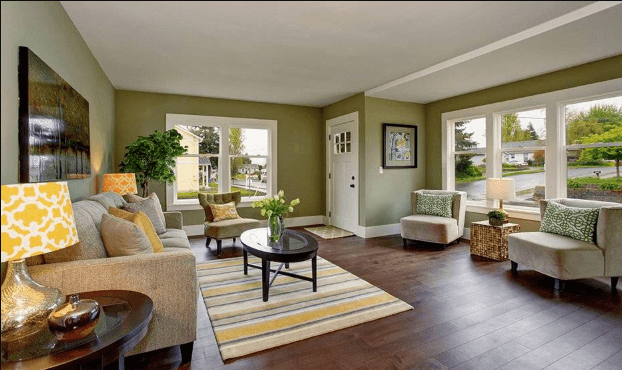

A versatile interior rests on a neutral backbone with adaptable accents. Warm neutrals invite coziness, cool neutrals create crisp structure, and balanced palettes unify spaces without overwhelm. Repetition, measured scale, and thoughtful placement keep accents purposeful. Timeless fabrics and soothing lighting add depth, while quick updates preserve cohesion. The approach promises personal expression within a calm, enduring scheme, yet subtle shifts can redefine the whole mood—prompting further exploration of how to implement these ideas at home.
Why These Color Schemes Work in Any Home
Color schemes that succeed in any home rely on a balance of versatility and restraint. They leverage neutral foundations paired with adaptable accents, enabling flexible mood shifts without visual chaos. Soothing lighting enhances depth and comfort, while timeless fabrics maintain cohesion through trends. The approach prioritizes enduring harmony over faddish appeal, empowering owners to personalize spaces without sacrificing universal appeal.
The True-Neutral Backbone: Warm, Cool, and Balanced Palettes
The true-neutral backbone rests on three interconnected families: warm, cool, and balanced palettes, each offering distinct pathways to cohesion in any home.
Warm neutrals create inviting warmth; cool contrasts establish crisp definition; balanced palettes synthesize harmony across spaces.
This framework empowers flexible styling, enabling restraint and expression alike. Designers emphasize adaptability, ensuring calm interiors without sacrificing personality, brightness, or depth.
Flexible Accent Strategies That Keep Rooms Cohesive
Flexible accent strategies balance visual interest with cohesion by treating accents as purposeful punctuation rather than clutter. The approach leverages repetition, scale, and placement to maintain a unified aesthetic while allowing personal expression. By balancing flexible accents with grounded neutrals, spaces achieve cohesive flow, avoiding chaos. This method supports adaptable palettes and comfortable, expressive interiors without sacrificing clarity or structure.
Quick Swaps and Maintenance for Timeless Color Flow
Quick swaps and routine upkeep keep color flow timeless by enabling intentional refreshes without overhauling the palette. Implement simple maintenance routines: rotate accent pieces seasonally, refresh textiles, and test lighting. Timeless color flow thrives when small, deliberate updates preserve harmony while accommodating change. Regularly review contrasts, replace worn finishes, and document choices to sustain coherent interiors without constraint.
Frequently Asked Questions
How Do I Choose Colors for Small Rooms Without Crowding Visuals?
A cautious approach favors light, reflective tones and strategic accents. The analysis notes small room color strategies rely on a durable palette selection, using neutrals with restrained contrast to maintain visual space while enabling expressive, freedom-loving detailing.
Can Color Schemes Affect Room Acoustics or Lighting Perception?
Color schemes subtly influence perception: color psychology shapes lighting perception and can alter room ambiance, while reflections and contrast modulate brightness. Suspenseful note: hues may quietly recalibrate mood and energy, guiding choices for a freer, visually balanced space.
What About Color Accessibility for Color-Blind or Visually Impaired?
Color accessibility concerns include color blind friendly palettes and accessible contrast metrics, enabling distinguishing elements for visually impaired individuals. The analysis notes that palettes with high contrast and distinct hues support navigation, readability, and freedom in design choices.
See also: The Supply and Demand of Cryptocurrency
How Do Seasonal Changes Influence Durable Color Choices?
Seasonal durability guides durable color choices: as seasons shift, hues must resist fading and reflect light changes, ensuring year round adaptability. Critics may doubt practicality, yet Seasonal durability and Year round adaptability offer consistent aesthetics, reducing repaint cycles and enhancing freedom in design decisions.
Which Fabrics and Finishes Best Complement Universal Palettes?
They recommend fabric textures and finish sheens that align with universal palettes, prioritizing color durability. In practice, durable textiles with matte or satin finishes balance versatility, while subtle textures prevent monotony, supporting a cohesive, freedom-loving interior across varying lighting.
Conclusion
Aesthetic alignment across abodes arises from a adaptable, alliterative backbone of warm, cool, and balanced neutrals. By weaving repeated elements and measured scale, spaces stay serene while subtle shifts spark seasonal charm. Flexible accents anchor harmony without havoc, and luminous layers lift languor with timeless textures. Regular refreshes keep color flow fluid: textiles, lighting, and small swaps sustain sophistication. In short, cohesive calm comes from conscientious compromise, continual care, and confident, careful coordinated color choreography.