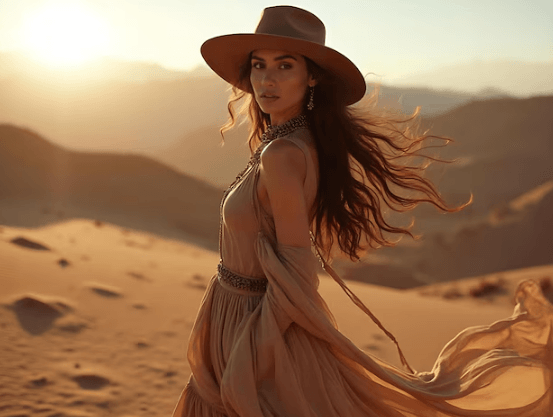

Desert fashion evolves where heat meets habit. Fabrics wick moisture, reflect glare, and resist dust, while breathable weaves cool interiors. Silhouettes favor air flow and adaptable layering, offering movement and protection. Color and texture manage heat and visibility, guiding choices from sun-drenched streets to shifting dunes. Rituals imprint meaning on fabric and folds, adding a layer of economy and care. The balance between practicality and culture hints at deeper questions, inviting further contemplation of what climate truly demands.
How Desert Climate Shapes Outfit Materials
Desert climates demand fabrics that balance heat management with durability, guiding designers toward materials that wick moisture, reflect light, and resist abrasion. Desert fabrics prioritize moisture management and airflow integration, with breathable weaves, cooling technologies, and dust infiltration resistance. They emphasize dye sustainability, dye fastness, sun protection, UV protection, and color psychology for garment longevity and climate adaptive tailoring in rugged desert footwear.
Silhouettes and Layers for Heat and Airflow
Silhouettes and layers in desert wear prioritize airflow and versatility, balancing coverage with ventilation to adapt to shifting temperatures. Observers note flowing silhouettes and breathable fabrics that drift with the wind, enabling cooling without sacrificing protection. Braided footwear and sun protection details emphasize durability, while layered options offer adaptive comfort for changing conditions and a sense of freedom in movement.
Color, Texture, and Reflectivity in Arid Environments
Color and texture in arid environments respond to the demand for heat management and durability, shaping how garments reflect and absorb light, how surfaces wear over time, and how materials interact with dust and wind.
The color palette guides visibility and cooling, while fabric textures influence airflow, moisture wicking, and resilience, supporting adaptable style within sustainable, climate-aware choices.
Cultural Rituals and Practicalities in Desert Dressing
How do communities knit ritual and practicality into desert dress as a daily practice and seasonal signal? The answer reveals cultural rituals shaping practicalities, where fabrics, colors, and folds encode status, protection, and mobility. Desert dressing becomes a language of weather cues and social belonging, balancing endurance with beauty. Cultural rituals guide materials and layering, fostering sustainable, climate-aware attire rooted in freedom.
Frequently Asked Questions
How Do Desert Evenings Affect Fabric Choice and Warmth?
Desert evenings prompt transitions to lighter, insulating fabrics when temperatures drop, balancing fabric warmth with breathability; hydration strategies become crucial, guiding wardrobe planning. Observers note sustainable storytelling: layering, moisture-wicking bases, and freedom to adapt to changing diurnal climates.
See also: The Supply and Demand of Cryptocurrency
What Role Do Hydration Strategies Play in Desert Wardrobes?
Hydration strategies dominate desert wardrobes; hydration logistics and electrolyte planning shape fabric choices, layering, and carried water. Observant and sustainable, the approach centers on climate-aware habits, reducing waste, and empowering freedom-loving individuals to balance performance with ecological responsibility.
How Do Footwear and Terrain Shape Desert Dressing?
Footwear and terrain shape desert dressing by prioritizing rugged, breathable designs and adaptive soles; durable materials meet shifting sands and rocky paths, guiding silhouettes toward protection, ventilation, and freedom, while terrain-aware choices champion sustainable storytelling in arid climates.
Are There Climate-Adaptation Differences Between Nomadic and Urban Styles?
Nomadic aesthetics lean toward adaptable layering and breathable fabrics, while urban practicality favors compact, weather-resistant design; climate-adaptation differs: nomadic aesthetics emphasize mobility and shade, whereas urban practicality prioritizes durability, insulation, and modularity for varied environments.
How Do Solar Exposure and Wind Influence Accessory Selection?
Solar exposure guides accessory choices; wind patterns favor breathable, adjustable layers. Solar shields reduce glare, while wind gaps vent heat. Observant design notes reveal sustainable choices that empower freedom while adapting to arid climates and shifting conditions.
Conclusion
In arid wardrobes, fabric choices translate climate knowledge into daily practice, balancing moisture management with sun defense. The silhouette—loose, layered, and ventilated—ensures movement and comfort while minimizing heat buildup. Color and texture become practical tools for reflecting glare and guiding airflow. Cultural rituals subtly shape material selection and folds, embedding sustainability in routine behavior. The desert teaches that style without stewardship is fleeting; thoughtful design endures, keeping people, ecosystems, and craftsmanship resilient under relentless sun.